
How to Achieve 'Pocket Organization'
When Traveling Light
Master the art of pocket organization with the 'Critical Five' strategy. Learn how to use body pouches, technical apparel, and the Flat Pack Principle to secure your travel essentials and navigate high-friction transit with ease.
Keeping it All Close
Table of Contents
The Critical Five: Identifying Your Must-Have, Instantly Accessible Items
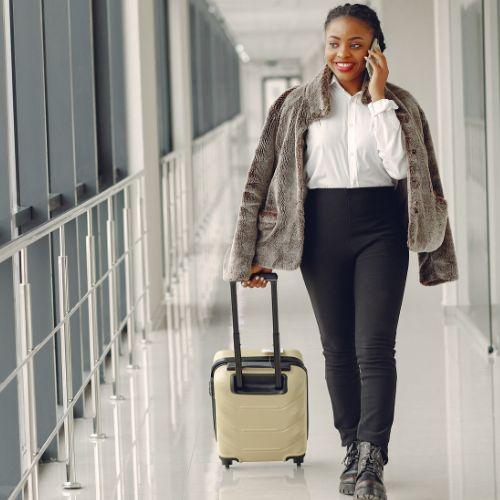
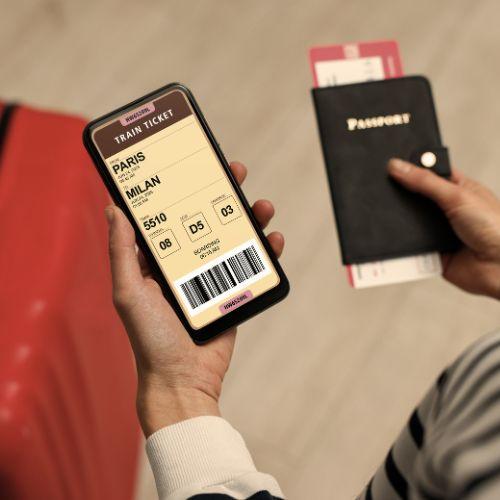
Achieving 'pocket organization' starts with rigorous prioritization. The goal is to identify your Critical Five: the five non-negotiable items you need to access instantly without opening your main bag. For most travelers, this includes your phone, primary payment card/ID, passport/boarding pass, a set of keys, and perhaps reading glasses or AirPods. These items must be separated from the rest of your gear and stored in the most accessible and secure spots on your person. By isolating these essentials, you eliminate the frantic search for crucial items when you're under pressure.
The Body Pouch Strategy: Keeping Essentials Secure and Close
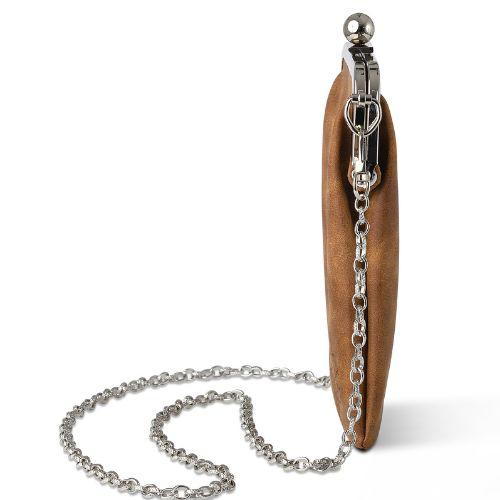
The most effective way to manage your Critical Five is to employ a body pouch strategy. This means utilizing a slim crossbody purse, a hip pack, or a security neck wallet that rests directly against your body. Unlike pockets, these pouches offer zippered security and structured organization. They keep your essentials out of sight but within immediate reach, reducing the risk of theft and ensuring you never leave your most valuable items behind. This small accessory acts as your personal command center, holding everything you need to navigate check-in, security, and boarding.
Apparel Anatomy: Utilizing Hidden Pockets and Zippers

Traveling light means making your clothing work for you. Become a student of your apparel anatomy, seeking out jackets, vests, and pants with discreet, zippered, or internal pockets. These hidden compartments are ideal for securing bulkier or less frequently needed items, such as emergency cash, a hotel key, or a small battery pack. Zippered pockets are particularly valuable because they prevent items from spilling out when you sit down or move quickly. By strategically distributing weight and value across your clothing, you lighten your bag and distribute security.
The Flat Pack Principle: Choosing Slim Versions of Bulky Gear
To maintain a sleek, unbulky profile that truly feels like "pocket organization," you must adhere to the Flat Pack Principle. This involves swapping out anything that is unnecessarily thick or rigid for its slimmer alternative. Trade your thick leather wallet for a slim cardholder, your bulky sunglasses case for a soft, dual-purpose pouch, and your keys for a minimalist carabiner. When every item you carry is designed to be as thin as possible, you avoid the awkward, bulging pockets that attract attention and make sitting uncomfortable.
Mastering the Transition: From Airplane Seat to City Street
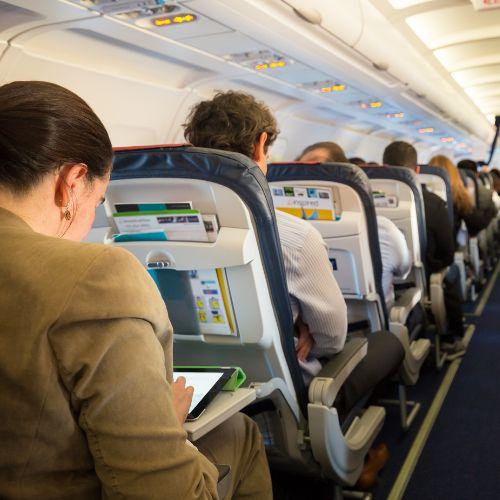
The true test of pocket organization is how well it supports you during high-friction travel moments. Your system must be robust enough to handle the transition from the restricted space of an airplane seat to the chaos of a city street. Items should be organized so that the moment you leave the plane, everything you need—phone, wallet, ID—is already on your person or secured in a cross-body pouch. This eliminates the need to rummage through your main bag mid-transit, allowing you to move quickly, confidently, and safely to your destination.
Hello, I 'm Lauryn,
I have been traveling since I was a little girl, my first International trip was in college. I am an "overpacker" by nature and on my first trip to Italy, everything that could go wrong, luggage wise, went wrong. From my carryon being too big for the overhead compartment to not being able to 'drag' my BIG suitcase over the Venice bridges and cobblestones - I started thinking there has to be a better way! I want to share with you great products and other tips I have learned along the way.
Affiliate Disclosure
This post contains affiliate links as well as links to my products. I may earn a small commission from any qualifying purchases through clicks on these links, at no extra cost to you. All opinions are totally my own. I appreciate your time and hope you find what you are looking for.